
If you’ve taken part in Veganuary, well done. Trying something new for a whole month – especially around food – is no small thing.
But as January draws to a close, many people start to feel the pressure. Do I have to keep cooking from scratch? Do I need specialist ingredients? Is plant-based eating going to be hard work forever?
The good news is this: it doesn’t have to be.
At V for Life, our chefs work in real-world settings – care homes, hospitals, community kitchens – where time, budgets and confidence all matter. Over the years, they’ve answered hundreds of questions from journalists and caterers, and the message is reassuringly consistent.
Plant-based eating only sticks when it fits into everyday life.
Below are some simple, practical ways to keep going after Veganuary – without trying harder than you already are.
1. Keep food familiar
One of the biggest myths about plant-based eating is that it means giving up the meals you love.
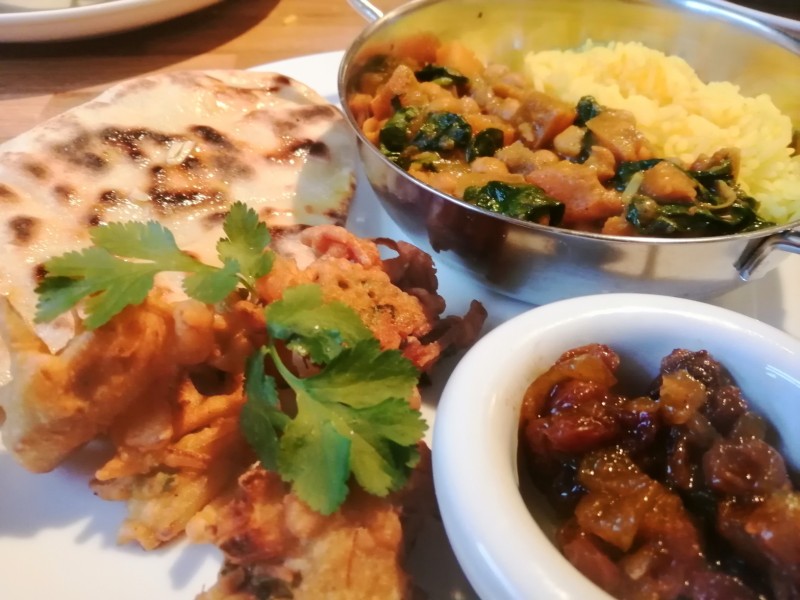 In reality, many familiar dishes work brilliantly with simple swaps. Curries, chillies, pies, stews, risottos and pasta sauces are all naturally adaptable. Cook the base once, then choose whether to add meat or plant-based proteins such as beans, lentils, tofu, Quorn or soya pieces.
As our chefs often say, the goal isn’t to make vegan food – it’s to make good food that happens to be vegan or vegetarian.
If a dish is comforting, well-seasoned and satisfying, most people don’t miss the meat at all.
2. Don’t underestimate frozen food
Frozen food is one of the quiet heroes of plant-based cooking.

Because vegetables and fruits are usually frozen soon after harvest, they retain their nutritional value and last far longer than fresh produce. That means:
For anyone juggling work, caring responsibilities or fluctuating energy levels, frozen ingredients make plant-based eating far more realistic – and far more sustainable in the long term.
3. Use convenience without guilt
There’s no prize for doing everything from scratch.

Ready-made vegan sausages, plant-based burgers, dairy-free milks, spreads and desserts all have a place. In professional kitchens, they’re used because they save time, reduce waste and help maintain consistency – and the same applies at home.
The key is balance. Mix convenient products with simple whole foods like vegetables, grains and pulses, and you’ll have meals that are practical, affordable and enjoyable.
Convenience doesn’t mean compromise – it means making plant-based eating achievable.
4. Focus on flavour and texture, not labels
One reason Veganuary can feel hard is when meals are framed as what they lack.
Instead of thinking “meat-free”, think creamy, spicy, crispy, slow-cooked or comforting.
Our chefs rely on flavour-building ingredients such as mushrooms, miso, soy sauce, caramelised onions, herbs and spices to create depth and satisfaction. Texture matters too – whether that’s a chunky bean stew, a silky mash or a crisp topping.
When food is enjoyable, motivation takes care of itself.
5. It doesn’t have to be healthy every time
Another common Veganuary hang-up is the idea that plant-based food must always be virtuous.
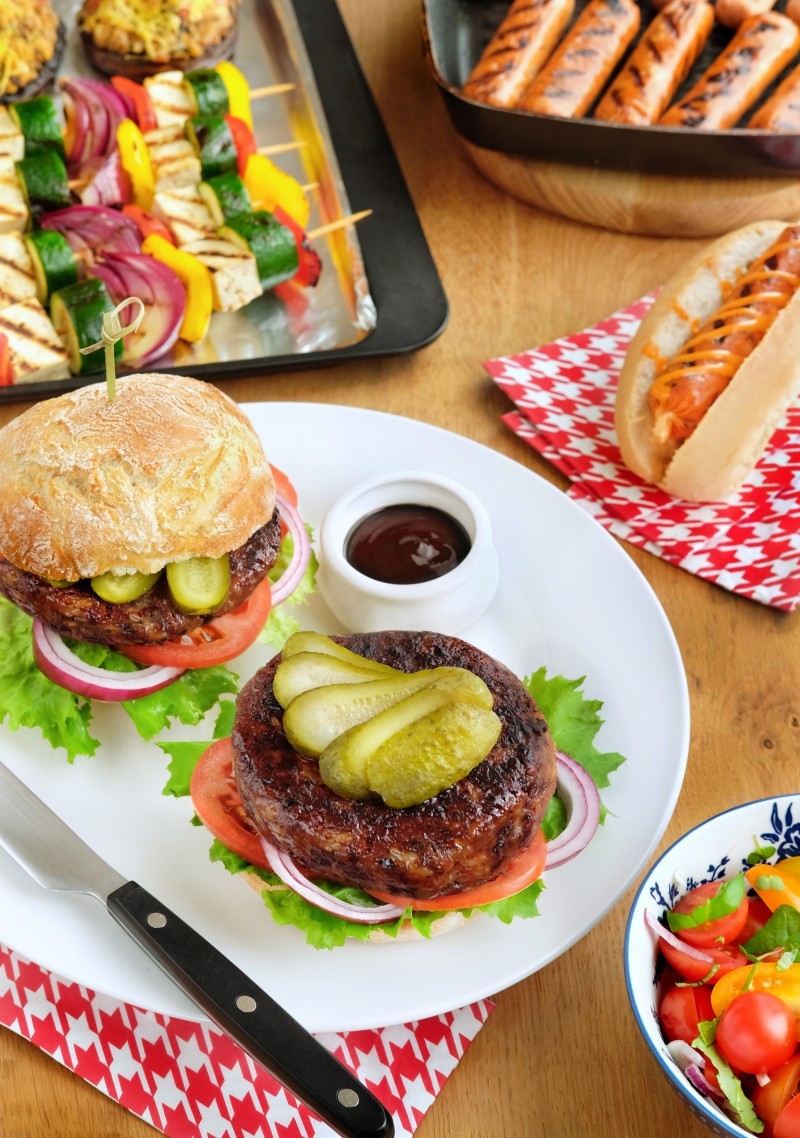
In reality, long-term change comes from pleasure as much as nutrition. Loaded burgers, creamy curries, rich puddings and nostalgic bakes all have a role – especially if they help people keep choosing plant-based meals more often.
Healthy eating is about patterns over time, not perfection at every meal.
6. Progress beats perfection
Veganuary doesn’t have to be all or nothing.
Eating plant-based a few days a week, swapping dairy milk for oat or soya, or choosing vegetarian versions of familiar favourites all count. Many people find that once the pressure is gone, plant-based choices start to feel easier – and more natural.
At V for Life, we see this every day. The most successful plant-based menus aren’t the most complicated – they’re the ones that work for real people, in real situations.
Keep what worked, leave the rest
As Veganuary comes to an end, take a moment to notice what you enjoyed.
Was it a new breakfast habit? A favourite curry? Discovering that frozen veg made life easier? Those are the changes worth keeping.
Plant-based eating isn’t about trying harder. It’s about finding small, sustainable ways to eat well – for your health, your budget and the people around your table.
And that’s something worth carrying into February, and beyond.
Want more practical plant-based support?
If Veganuary has sparked an interest in eating more plant-based food – whether at home, in a care setting or as part of your professional role – V for Life is here to help.
We offer:
Explore our resources, keep what works for you, and take the pressure off trying to be perfect.
Plant-based eating doesn’t have to be harder – it just has to work.
Categories:
Articles
Life After Retirement